 blog
blog
Ethical Fashion Brands Supporting Kindness in 2026
Table of Contents
- Why Kindness Is the New Standard for Ethical Clothing Brands
- BoSsSwAmEe: Smile-Themed Apparel With a Mental Health Mission
- How to Shop Ethically: A Practical Checklist
- Fashion Brands That Support Social Causes: What Real Impact Looks Like
- Materials and Manufacturing: What Separates Kind Brands From Fast Fashion
- Kindness Beyond Donations: Worker Welfare and Community Support
- How to Assess Ethical Claims and Avoid Greenwashing
- Conclusion: Building a Wardrobe That Reflects Your Values
- Frequently Asked Questions
Last Updated: October 5, 2026
Why Kindness Is the New Standard for Ethical Clothing Brands
Kindness has moved from a nice-to-have to a core expectation in fashion. Shoppers now ask harder questions about who made their clothes and how those workers were treated, pushing ethical fashion brands to prove their values rather than print them on a label.
This guide from BoSsSwAmEe looks at what real kindness in clothing means, and how to tell the genuine article from the marketing.
The word "kindness" gets stretched thin in fashion marketing. A brand can print a smiley face on a shirt and call it a movement. The UN Alliance for Sustainable Fashion treats social fairness as inseparable from environmental responsibility, not a separate add-on.
BoSsSwAmEe: Smile-Themed Apparel With a Mental Health Mission
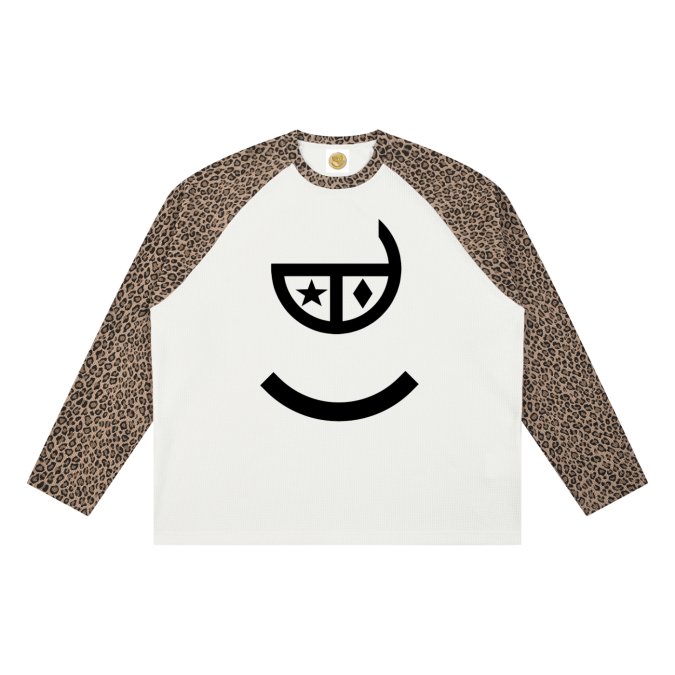
BoSsSwAmEe is a smile-themed apparel and accessories brand built around mental awareness and community kindness.
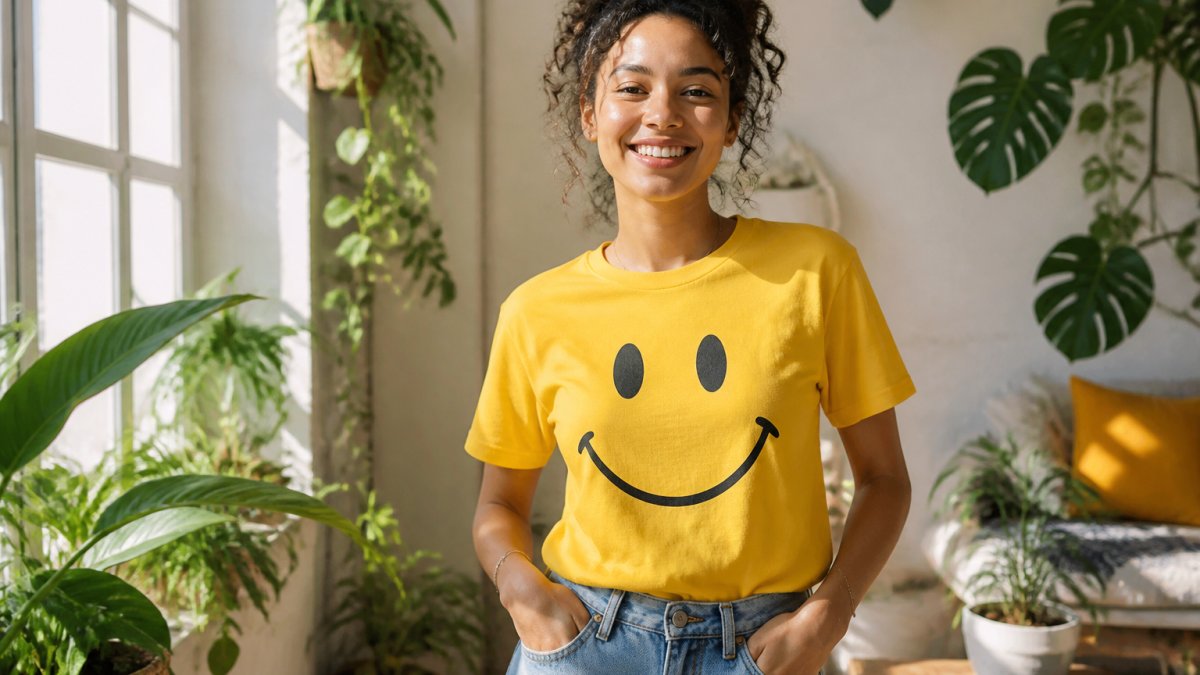
What separates BoSsSwAmEe from a generic positivity brand is the pairing of design with support: apparel that refreshes your wardrobe, a message that promotes mental awareness, and a mission that extends beyond the sale. The brand also offers personalized style advice for shoppers who want something that fits their own taste.
A fair objection: how do you know a mission is real and not just marketing? Ask any brand for specifics, including us.
How to Shop Ethically: A Practical Checklist
Shopping ethically comes down to asking the right questions before you pay, and a brand's website should answer most of them.
Questions to Ask Before You Buy
- Who made this item, and in which country?
- Does the brand name its factories or suppliers?
- Are workers paid a living wage, or just the legal minimum?
- What materials are used, and where do they come from?
- Does the brand publish any certification or audit results?
- Where does the charitable or community money actually go?
- Is there a clear returns policy if the item doesn't suit you?
If a brand can't answer the first four, that's a signal. Not proof of wrongdoing, but a reason to keep looking.
Red Flags That Signal Greenwashing
Greenwashing is the practice of making a brand look more ethical than its actual practices support. It's common and designed to be hard to spot.
Watch for vague words like "eco-friendly" or "conscious" with no detail behind them, and be wary of nature imagery doing the work facts should. Treat any claim of "giving back" as incomplete until you know the amount, the recipient, and the timing.
Fashion Brands That Support Social Causes: What Real Impact Looks Like
Real impact is specific, traceable, and ongoing. It names the cause, the partner, and the outcome, not just the intention. Here's what verifiable kindness looks like across a handful of well-documented brands, so you can compare the pattern rather than take our word for it.
Four brands with outcomes you can check
TOMS built its model on one-for-one shoe donations, then publicly shifted away after review found shoe drops could undercut local markets.
Bombas donates socks and underwear through more than 3,500 giving partners and publishes an annual impact report with unit counts and partner categories.
Raven + Lily works with artisan partners in countries including Ethiopia, India, and Guatemala, and publishes partner stories with named cooperatives.
The three traits that separate real giving from cause marketing
- Named recipients. A brand that says "a portion of proceeds" without naming the partner is asking for trust it hasn't earned. Look for the charity's name, registration number where applicable, and a link to the partner's own page.
- Recurring cadence. One-off Pride-month or Earth-day campaigns are easy to time and easy to stop. Annual reports, quarterly updates, and multi-year partner commitments are harder to fake.
- Third-party verification. B Corp certification, 1% for the Planet membership, and published benefit reports all require external review. A brand can self-declare kindness; it cannot self-award these.
The OECD guidelines for responsible business conduct set out what responsible practice looks like across supply chains, which gives shoppers a benchmark to compare claims against. The most credible brands share three traits. They publish where the money goes. They keep the commitment going rather than running one-off campaigns. And they let customers verify the details, because a claim you can check is worth more than a slogan you can't.
Where even good brands fall short
Kindness in giving has limits worth naming. Percentage-of-profit pledges can shrink in a bad year, and some brands have quietly reduced or paused them. Product donations work for essentials but don't transfer to categories where donated goods could flood a local market. And none of these models substitutes for paying workers properly, a brand can run a strong giving programme and still have supply-chain gaps. Treat giving as one signal among several, not the whole verdict.
Materials and Manufacturing: What Separates Kind Brands From Fast Fashion
Materials and manufacturing are where kindness is either built in or left out.
Look at the fibres first. Organic fibers and recycled fibers reduce environmental harm, low-impact dyes cut pollution in the dyeing stage, and recycled packaging and waste reduction round out the picture.
Then look at production.
Fast fashion rarely offers this level of detail. That gap is the clearest difference between the two.
Kindness Beyond Donations: Worker Welfare and Community Support
Kindness in fashion starts with the people who make the clothes. A donation at checkout doesn't offset unsafe conditions or unpaid overtime. Here's what to actually look for.
The standards that do the work
Four named schemes cover most of what you'll see on a garment tag or a brand's sustainability page:
- SA8000 is a social-accountability certification audited by third parties. It covers working hours, wages, child labor, forced labor, and freedom of association. A brand that holds SA8000 for its own facilities or its suppliers' facilities has submitted to outside inspection.
- Fair Trade Certified applies to factories as well as farms. It requires a premium paid on top of wages, and workers vote on how that premium is spent, which is why it shows up in community projects like clinics and scholarships rather than in a brand's marketing budget.
- The Fair Labor Association (FLA) accredits brands that commit to its Workplace Code of Conduct and submit to independent audits, with findings published. FLA accreditation is a brand-level commitment, not a factory-level one, so it says something about the company's systems rather than any single supplier.
- The ILO's fundamental conventions on forced labor, child labor, discrimination, and freedom of association are the floor, not the ceiling. A brand citing the ILO is telling you it follows baseline international norms; it is not telling you it pays a living wage.
What a living wage actually means
A legal minimum wage and a living wage are not the same number. The International Labour Organization on fair wages explains why living wages matter for breaking cycles of poverty in garment-producing regions.
A useful test: does the brand publish a wage figure, or only a policy? A policy says "we are committed to fair pay." A figure says "our lowest-paid supplier workers earn X per hour, against a local living-wage benchmark of Y." The second is verifiable.
Community support that isn't a campaign
Community support goes further than a donation, funding local programmes, backing mental health services, or partnering with organisations that serve the people who make and wear the clothes. The test is whether support is structural or occasional.
Structural support looks like:
- Long-term supplier relationships. Brands that stay with a factory for years can invest in training, safety equipment, and wage progression. Brands that switch suppliers every season have little incentive to improve any of them.
- Worker committees and grievance channels. A factory where workers can raise a complaint without retaliation is a factory where problems surface early. Ask whether the brand's code of conduct includes a confidential reporting channel and whether it has been used.
- Inclusive design and sizing. Kindness extends to the customer. A brand that offers a narrow size range or charges more for larger sizes is making a choice about who it serves.
- Repair and take-back programmes. Offering repairs or accepting worn items back keeps garments in use and reduces the pressure on workers to produce ever more volume.
The trade-offs nobody mentions
Worker welfare has real tensions worth naming. Certification costs money, and those costs sometimes fall on suppliers rather than brands, squeezing the same workers the scheme is meant to protect. Audits are snapshots, and factories have been documented preparing for them.
None of this makes certification worthless. It means the honest position is that kindness in supply chains is a direction of travel, not a badge.
When you assess a brand's worker-welfare claims, ask three questions: which named standard applies, who audits it, and what the brand publishes when the audit finds something wrong. The third question is the one that separates serious brands from the rest.
How to Assess Ethical Claims and Avoid Greenwashing
Assessing ethical claims means checking evidence, not adjectives. A brand earns trust by showing its work.
Start with certifications. Independent schemes verify claims that brands can't self-award. Look for named standards rather than a generic "certified" badge. Then check the source.
Accessibility matters too. Ethical clothing only the wealthy can buy doesn't change much.
Finally, check how current the information is. Practices change, and a claim from five years ago says little about today.
| What to Check | Why It Matters | Where to Look |
|---|---|---|
| Certifications | Third-party proof of claims | Product or about page |
| Factory locations | Shows supply-chain transparency | Sustainability section |
| Wage policy | Confirms fair labor commitment | Brand disclosures |
| Giving details | Ties donations to real outcomes | Impact reports |
| Update date | Confirms claims are current | Site footer or blog |
Conclusion: Building a Wardrobe That Reflects Your Values
Choosing kindness in fashion asks more of you than picking a colour. It means reading the label, asking the awkward question, and buying from brands that answer it.
BoSsSwAmEe was built for exactly that kind of shopper. Our smile-themed apparel and accessories promote mental awareness, support community kindness, and come with personalized style advice to help you find pieces that feel like you.
Get started with BoSsSwAmEe and build a wardrobe that looks good and stands for something. Click Here To Contact Me to begin.
Frequently Asked Questions
What clothing brands are actually ethical?
Brands that publish factory locations, pay living wages, use certified organic or recycled materials, and share verifiable proof of their social impact are genuinely ethical. Look for certifications like Fair Trade, GOTS, or B Corp. BoSsSwAmEe supports mental awareness and community kindness through smile-themed apparel, but always check a brand's supply-chain transparency page before buying. If a brand cannot tell you where its clothes are made, that is a warning sign.
How can I tell whether a fashion brand is genuinely ethical?
Start by checking three things: supply-chain transparency (can you see factory names and locations?), certification (third-party audits like Fair Trade or GOTS), and specific impact reporting (not just vague promises). Ethical clothing brands share annual reports or impact summaries. If a brand only uses words like 'kindness' or 'sustainable' without evidence, treat that as marketing until proven otherwise. Ask directly: where is this made, and how do you verify worker welfare?
Which ethical fashion brands support social causes?
Brands that donate a percentage of profits, fund community programs, or partner with mental health organizations qualify as fashion brands that support social causes. BoSsSwAmEe focuses on mental awareness and community kindness. Other examples include brands that fund education, environmental cleanup, or worker welfare initiatives. The key is verifiable action: look for published donation totals, partner names, or impact reports. Avoid brands that only mention causes in vague social media posts without follow-through.
Are sustainable fashion brands always ethical?
No. A brand can use organic cotton and recycled packaging while still underpaying workers or hiding factory conditions. Sustainability and ethics overlap but are not the same. Ethical fashion brands address both environmental impact and fair labor. When you shop ethically, check worker welfare and living wages alongside material choices. A brand that is transparent about both is far more trustworthy than one that only talks about fabrics.