 listicle
9 Good Quality T-Shirt Brands That Actually Last
Last Updated: November 10, 2026
Quick Summary
The best quality t-shirts hold their shape, weight, and color after repeated washing, and price is a weak signal of durability. Buck Mason and Marine Layer suit everyday wear, while Iron Heart, Warehouse, and Merz b. Schwanen offer heavyweight loopwheeled cotton. For value basics, look to Gildan and Uniqlo.
- A wash-and-wear study found six of the 10 top-performing t-shirts cost under £15, roughly US$20.
- Loopwheeled cotton is knit on a slow circular machine, producing denser fabric that resists twisting.
- Fabric weight in oz/yd² or g/m² is the most useful number on a spec sheet.
- Cotton jersey shrinks along the length more than the width, typically settling after two or three washes.
- Wash cold, inside out, and line-dry to preserve collar structure and color.
Table of Contents
- What Makes a Quality T-Shirt Worth Buying
- Best Men's T-Shirts Brands for Everyday Wear
- Best Quality T-Shirts Brands Women Reach For
- Budget Picks That Beat Their Price Tag
- Best T-Shirt Brands for Printing and Custom Designs
- What Is the Best Quality for T-Shirts? Fabric and Construction Compared
- Choosing a Tee That Lifts Your Mood and Fits Your Style
- Build Your Next T-Shirt Order Around How You Want to Feel
- Frequently Asked Questions
What Makes a Quality T-Shirt Worth Buying
A good quality t-shirt is one that holds its shape, weight, and color after repeated washing, not one that simply feels nice on the first wear. The global t-shirt market is valued at $30.68 billion in 2026 and projected to reach $44.81 billion by 2035, according to Printful's t-shirt industry statistics, which tells you how many options shoppers now sort through. At BoSsSwAmEe Design, we have watched customers chase the cheapest tee, then replace it twice in a year.
Here is the part most guides skip: price is a weak signal. A wash-and-wear study reported by WhatTheyThink's apparel research coverage found that six of the 10 top-performing t-shirts cost under £15, roughly US$20. Cheaper shirts beat expensive ones on durability.
Below, we break down nine brands worth your money, grouped by how you will actually wear the tee.
| What You Need | Where to Look | Why It Matters |
|---|---|---|
| Everyday wear | Buck Mason, Marine Layer | Reviewed favorites with consistent fits |
| Heavyweight feel | Iron Heart, Warehouse, Merz b. Schwanen | Loopwheeled and dense cotton construction |
| Value basics | Gildan, Uniqlo | Cotton builds at a low price point |
| Printing projects | Bella+Canvas, Comfort Colors | Blanks built for custom designs |
Best Men's T-Shirts Brands for Everyday Wear
Buck Mason and Marine Layer: The Review Favorites
Both brands target the guy who wants one reliable crew neck he can grab without thinking.
What most guides miss is that "best overall" means best for the reviewer's body and budget, not yours. Try one shirt before committing to a five-pack.
Iron Heart, Warehouse, and Merz b. Schwanen: Heavyweight and Loopwheeled
If you want a tee with real structure, this trio is the deep end. Loopwheeled cotton is knit on a slow, circular machine, which produces a denser, less stressed fabric that resists twisting.
The trade-off is weight and warmth: a heavyweight tee is a joy in cool weather and a sweat trap in July.
Best Quality T-Shirts Brands Women Reach For
Women shopping for quality t-shirts face different trade-offs than men, and most roundups ignore them. The three variables that matter most are neckline recovery, torso length, and whether the cut is designed for a women's frame or adapted from a unisex block.
Brands That Cut for Women's Frames
For a genuinely women's-specific cut, look for brands that publish flat measurements for bust, waist, and length separately. Unisex blanks often run boxy through the waist and short through the torso on taller frames, while women's-specific blocks taper through the waist and add an inch or two of length. Knowing which you are buying prevents the most common return reason.
Fit Guidance by Body Type and Frame
Sizing is where most women get burned, and the fix is mechanical. Measure a tee you already love flat on a table: pit-to-pit, shoulder seam to shoulder seam, and collar to hem. Compare those numbers to the brand's size chart, because a "medium" varies by two to three inches between manufacturers.
- Straight or athletic frames: a women's-specific cut with a slight waist taper reads clean without pulling across the chest. Look for side seams that sit forward of the body's midline.
- Curvy frames: prioritize stretch recovery in the fabric and a hem that hits at the high hip. A tee that clings at the waist but hangs straight through the hip will ride up all day.
- Tall frames: check torso length first. A unisex cut that fits the shoulders often runs short; a women's tall or longline style solves this without sizing up and swimming in the body.
- Petite frames: a shorter torso length and narrower shoulder width matter more than the labeled size. A relaxed fit in a petite cut looks intentional; a regular cut sized down looks shrunken.
Watch out: neckline recovery is the first thing to fail on a women's tee. A collar that ripples after three washes usually means a single-stitch neck seam rather than a taped or reinforced one, and no amount of careful laundering will fix it.
The Long-Term Wear Angle Most Guides Skip
Most women's tee recommendations stop at first impressions, softness, color, initial fit. The more useful question is how the shirt behaves after ten, twenty, and fifty washes.
Before committing to a multi-pack, wash one shirt three times the way you normally launder, then check the collar, hem, and side seams. If the collar still lies flat and the hem has not twisted, the construction is sound.
Style and mood connect here too. A tee that fits your frame and holds its shape lets you stop thinking about your clothes and start carrying yourself with confidence, and that shift shows in how you move through the day.
Budget Picks That Beat Their Price Tag
Spending less does not mean settling.
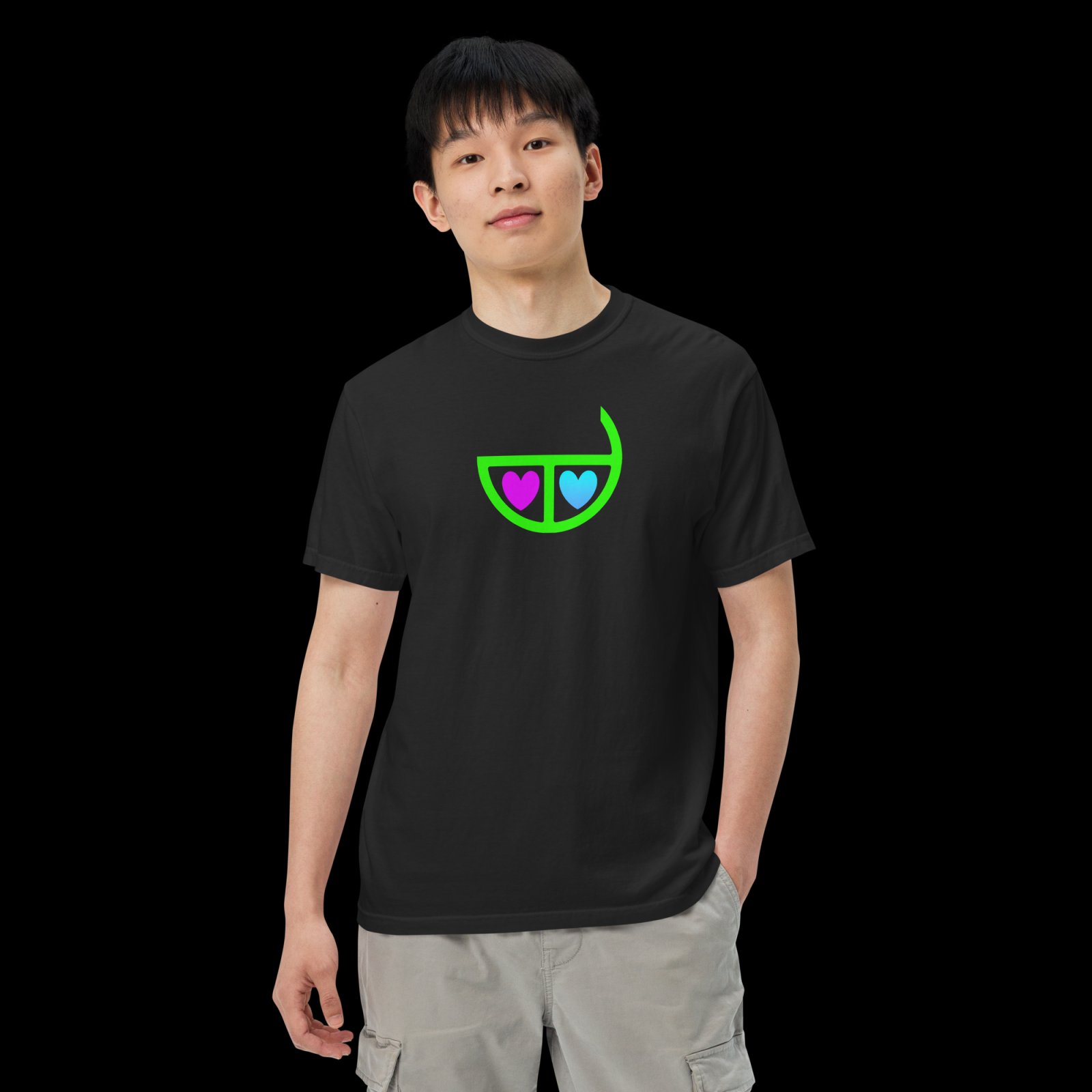
Our own Comfortable Only 1 You Wink Art Series relaxed fit t-shirt sits in this value conversation too, built from 100% cotton at 5.9 oz/yd² (200 g/m²) with a quick-dry finish. That fabric weight puts it above many budget blanks, which is the number to check when a low price tempts you.
A common mistake is buying five cheap shirts instead of two decent ones. Cost per wear tells the real story: a tee you wash 50 times beats one that pills after 10.
Best T-Shirt Brands for Printing and Custom Designs
For custom printing, the blank matters as much as the design.
What most guides miss is that a soft, lightweight blank prints beautifully but can feel flimsy in hand. If your design is the point, pick a blank with enough weight to carry it.
What Is the Best Quality for T-Shirts? Fabric and Construction Compared
The best quality for t-shirts comes down to three things: fiber type, fabric weight, and how the seams are sewn. Everything else is marketing. Here is the comparison most roundups skip.
A Standardized Fabric and Construction Comparison
Fabric weight, measured in oz/yd² or g/m², is the single most useful number on a spec sheet because it tells you how substantial the cloth feels before you touch it. The table below organizes the common ranges so you can compare any two shirts on the same scale.
| Fabric Weight | Common Label | What It Feels Like | Best For |
|---|---|---|---|
| 4.0-4.5 oz/yd² (135-150 g/m²) | Lightweight | Thin, breathable, drapes close to the body | Hot climates, layering, active wear |
| 4.5-5.3 oz/yd² (150-180 g/m²) | Midweight | The everyday standard; soft with some body | Year-round wear, most occasions |
| 5.3-6.0 oz/yd² (180-200 g/m²) | Heavyweight | Structured, opaque, holds a crisp silhouette | Cool weather, standalone wear, printing |
| 6.0+ oz/yd² (200+ g/m²) | Extra heavyweight | Dense, warm, minimal drape | Cold climates, workwear styling |
Fiber composition matters just as much as weight. Long-staple cotton like Supima spins into a smoother, stronger yarn that pills less, while short-staple cotton feels soft initially but breaks down faster. Blends trade some breathability for stretch recovery or wrinkle resistance, which is why a cotton-poly blend often outlasts a pure cotton tee in the wash.
Stitching, Shape Retention, and Shrinkage
Check the neck seam first. A taped or reinforced collar holds its shape; a single-stitch collar ripples within a month. Side seams prevent the tube twist that plagues cheap tees, and a hem with double-needle stitching resists curling far better than a single row. These are visible details you can inspect in seconds, and they predict durability more reliably than brand name or price.
On shrinkage, a study in the Journal of Textile Science & Fashion Technology evaluated 100% cotton jersey-knit construction, and cotton's behavior in the wash is exactly why you should expect some movement in length. Most practitioners find that cotton jersey shrinks along the length more than the width, typically settling after two or three washes. Pre-shrunk and garment-dyed fabrics move less because the shrinkage happens before the shirt reaches you.
Long-Term Wear and Care: The Evidence Most Guides Omit
The gap in nearly every quality guide is what happens after the first month. Initial softness is easy to manufacture; shape retention over fifty washes is not.
Climate and season belong in this comparison too. A lightweight tee in the 4.0-4.5 oz/yd² range suits hot, humid weather, while a 5.3-6.0 oz/yd² heavyweight earns its place in cooler months and in any print project that needs the fabric to carry the design. Matching weight to climate is the simplest quality decision you can make.
Watch out: a high fabric weight does not automatically mean better quality. A dense, poorly spun heavyweight can feel stiff and pill faster than a well-made midweight, so weigh the number alongside fiber type and seam construction rather than in isolation.
Choosing a Tee That Lifts Your Mood and Fits Your Style
Style and mood are not separate purchases. A shirt that fits well and says something you believe in changes how you carry yourself.
Start with fit, then message. A relaxed silhouette in a heavyweight cotton reads calm and grounded. A slim cut in a lighter fabric reads sharp. Pick the mood you want, then the shirt that delivers it. Our guide to building a positive wardrobe walks through this step by step.
Build Your Next T-Shirt Order Around How You Want to Feel
The real challenge is not finding a quality t-shirt. It is finding one that fits your body, survives your laundry routine, and makes you feel like yourself when you put it on.
That is where we come in. BoSsSwAmEe Design has been making smile-inspired apparel since 2005, with uplifting designs built for comfort and confidence. Our garment-dyed heavyweight designer t-shirt gives you that structured, soft feel, while our Lightweight Performance Crewneck covers warm days and active wear. Browse the full apparel collection and find the tee that fits how you want to feel.
Quality t-shirts reward a little homework: check the fabric weight, inspect the neck seam, and ignore the price tag as a proxy for durability. When you are ready to wear something that lifts you up rather than just covers you, we are here to help you find it.
Frequently Asked Questions
What are good quality t-shirt brands?
Match the t-shirt to what you need: everyday wear, printing, or a specific fit. Compare fabric weight, fiber, and stitching rather than relying on any single brand name.
What fabric makes a t-shirt feel high quality?
Cotton is the baseline. Fabric weight changes how substantial a shirt feels. Heavier cotton reads as thicker and more structured, while lighter cotton feels cooler. Feel the fabric and check the stitching rather than trusting the tag.
How can you tell if a t-shirt will last?
Check the stitching at the collar, shoulders, and hem, then look at fabric weight and how the shirt holds shape after washing. Shape retention and shrinkage matter more than a premium label. Read care instructions before buying and wash cold to protect the fit.
What are the best t-shirt brands for printing?
For a printed shirt you plan to wear often, pick a fabric weight that suits the season and confirm the shirt holds shape after washing so the print does not distort.
Is a more expensive t-shirt always better quality?
No. Higher prices can buy heavier fabric, better construction, or a specific fit, but they can also reflect branding. Compare fabric weight, stitching, and shape retention instead of assuming the most expensive option wins.