 how-to
How to Build a Positive Wardrobe: A Step-by-Step Guide
Table of Contents
- What Does a Positive Wardrobe Actually Mean?
- Step 1: Assess Your Current Wardrobe and Identify What Works
- Step 2: Declutter Intentionally Without Starting Over
- Step 3: Discover Your Personal Style and Color Palette
- Benefits of Wearing Positive Clothing for Confidence and Mood
- Step 4: Choose Wardrobe Staples That Reflect Your Values
- Building a Mindful Wardrobe Through Intentional Shopping
- Set a realistic clothing budget
- Build a phased plan instead of overhauling at once
- Create a shopping list based on wardrobe gaps
- Calculate cost per wear to prioritize investment pieces
- Measure progress with simple wardrobe metrics
- Buy gradually rather than overhauling at once
- Shop with your values, not just your list
- Creating a Sustainable Wardrobe That Lasts
- Frequently Asked Questions
Last Updated: October 17, 2026
What Does a Positive Wardrobe Actually Mean?
At BoSsSwAmEe Design, we believe how to build a positive wardrobe starts with understanding that clothes are daily affirmations.
A positive wardrobe means:
- Clothes that fit your body and lifestyle, not the other way around
- Pieces you actually reach for repeatedly, not items collecting dust
- Items that align with your personal values and ethics
The goal isn't perfection. It's building a closet where nearly everything works together and makes you feel genuinely good.
Step 1: Assess Your Current Wardrobe and Identify What Works
Before you add anything new, you need to understand what you already own and what actually serves you.
Conduct a closet audit
Pull everything out, it's the foundation of how to build a positive wardrobe.
Lay items out by category, tops, bottoms, dresses, outerwear, accessories, and notice patterns: dominant colors, fabrics that feel good, pieces you've owned for years.
Look for gaps and overlaps, seven black t-shirts but nothing in your favorite color, three blazers but only one you wear.
Track what you actually wear
For two weeks, track which pieces you reach for, a phone note, a sticker, anything that helps.
You'll likely find 20% of your wardrobe gets 80% of the wear. Those well-fitting, comfortable power pieces are your positive wardrobe's foundation.
Step 2: Declutter Intentionally Without Starting Over
Decluttering doesn't mean throwing everything away, that's wasteful and unnecessary.
Decide what to keep, donate, or sell
For each piece, ask three questions:
- Does this fit my body right now?
- Do I feel good wearing this?
- Have I worn this in the past year?
If you answer "no" to any of these, let it go, but not into the trash.
Donate good-condition pieces to local charities or shelters, sell higher-end items on resale platforms, or give clothes to friends, keeping items in circulation rather than in a landfill.
Be honest about condition: a stained or torn shirt belongs in textile recycling, not someone else's closet.
Store out-of-season pieces strategically
Use under-bed containers or a separate shelf, label clearly, and rotate pieces back in when seasons change.
This keeps your active wardrobe smaller and more intentional, so getting dressed becomes simpler.
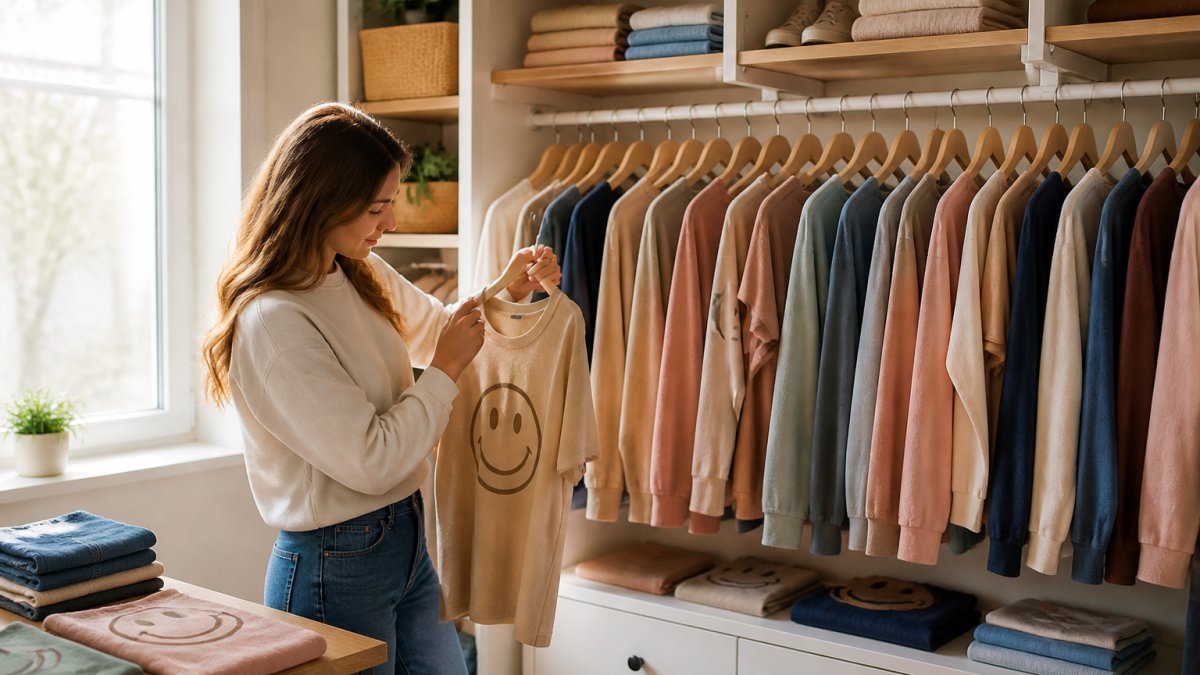
Person thoughtfully selecting clothing items from an open wardrobe, standing in front of organized hangers with various garments in coordinating colors and styles, natural window lighting
Step 3: Discover Your Personal Style and Color Palette
Your personal style is unique to you, not copying influencers, but understanding what makes you feel like yourself and turning that into a repeatable method for dressing and shopping.
Run a three-part style audit
Collect evidence in three buckets over two weeks:
- What you actually wear. Photograph your outfits daily or note the pieces you reach for, real-life data, not aspirational.
- What you admire on others. Save images of outfits you'd genuinely wear, not outfits you admire on someone else's body or lifestyle. Ask: would I put this on tomorrow?
- What you avoid. Note colors, cuts, and fabrics you consistently dislike, ruling things out narrows your style faster than ruling things in.
The overlap between what you wear and what you admire is your style core; the gap between what you admire and avoid tells you what to experiment with next.
Translate inspiration into style descriptors
Write down three to five adjectives that repeat in your saved images: relaxed, structured, minimal, playful, polished, utilitarian, romantic. These become a filter, before buying, ask whether a piece fits at least two. If it fits none, it's probably not your style, even if you like it in the store.
Build a working color palette, not a perfect one
Your color palette doesn't need a formal seasonal analysis. A practical approach is to identify:
- Two to three base colors you'll wear constantly (common choices are navy, black, gray, cream, olive, or denim blue).
- One or two accent colors that make you feel energized.
- One or two neutrals that anchor outfits (white, tan, charcoal).
People who struggle to mix and match usually own too many mid-tone colors that don't coordinate. Limiting your palette makes almost every piece work with almost every other piece.
Use fit as your style filter
Style discovery only works if it survives contact with real clothing. Fit is where most wardrobes fail.
A simple fit check for any garment:
- Shoulders: The seam should sit at or just past your natural shoulder point. This is the hardest alteration to fix, so get it right at purchase.
- Bust/chest and waist: You should be able to move, sit, and reach without the fabric pulling or gaping. If it pulls, size up and tailor down.
- Length: Hem, sleeve, and rise should suit your proportions and your lifestyle, a cropped jacket and a longline blazer read very differently.
Decide when tailoring is worth it
Tailoring is often the difference between a piece that fits and one that doesn't.
Before you buy, ask whether the piece fits well enough as-is or needs only simple alterations. If it needs major reconstruction, leave it.
Turn style into outfit formulas
Once you know your descriptors, palette, and fit requirements, convert them into a few outfit formulas, repeatable structures you can dress from without thinking.
Examples of formulas:
- Base layer + structured layer + straight-leg bottom + simple shoe
- Knit top + wide-leg bottom + flat shoe + one accessory
- Button-up + relaxed bottom + sneaker or loafer
Write down three or four formulas that match your lifestyle, then check your wardrobe against them: which can you already build, and which are missing one piece?
Benefits of Wearing Positive Clothing for Confidence and Mood
The connection between what you wear and how you feel is real.
Positive clothing, uplifting messages, quality fabrics, ethical production, adds a layer of intentionality.
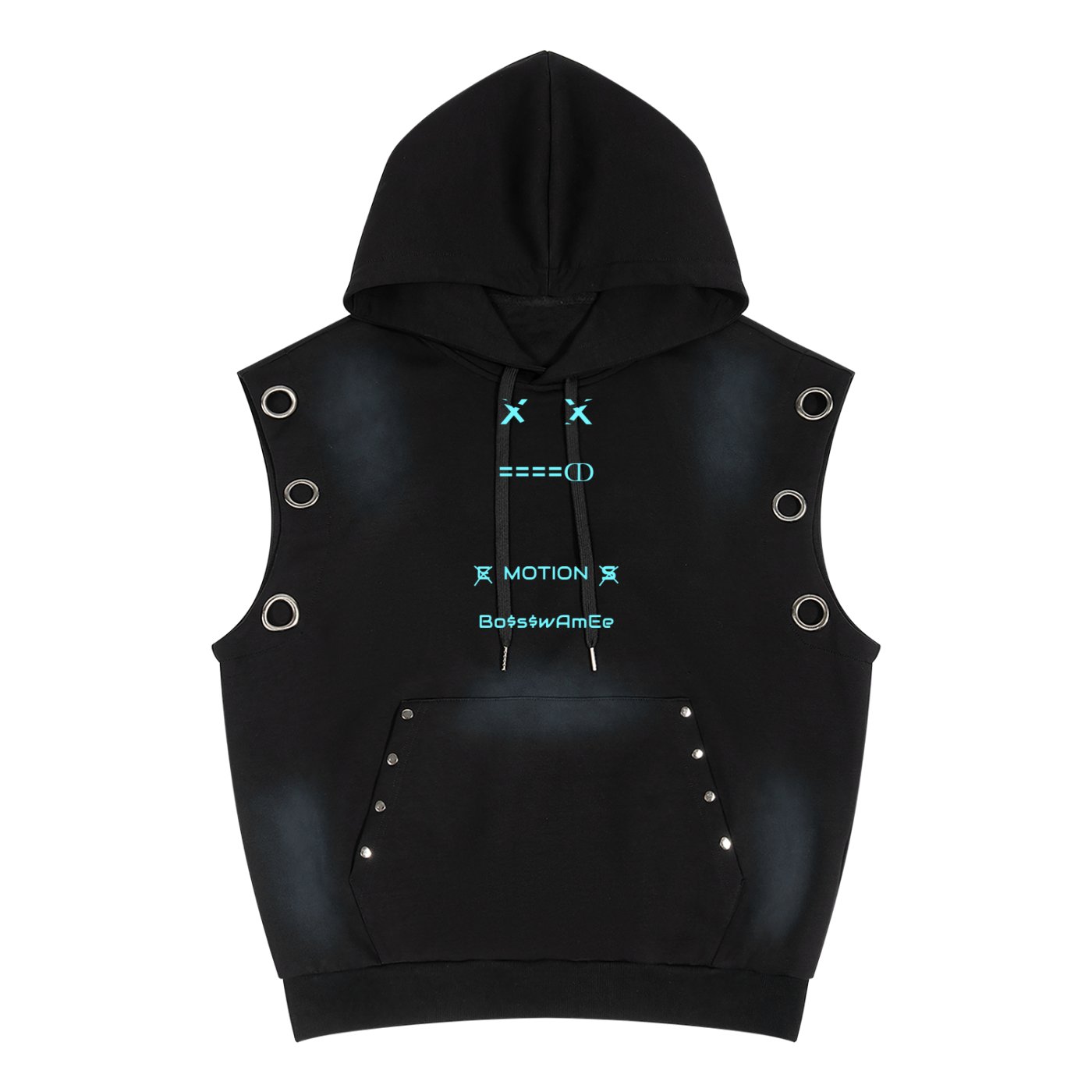
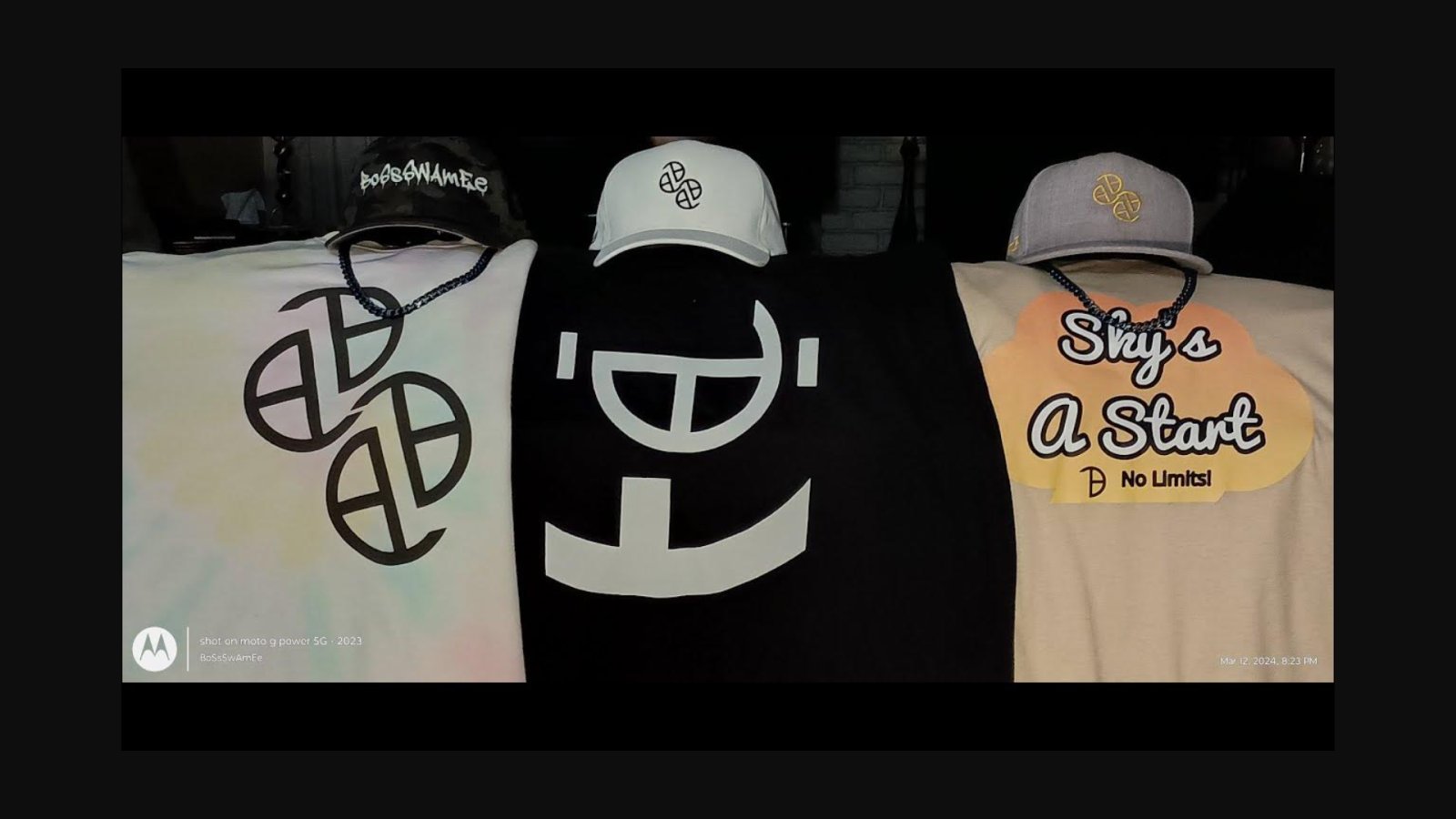
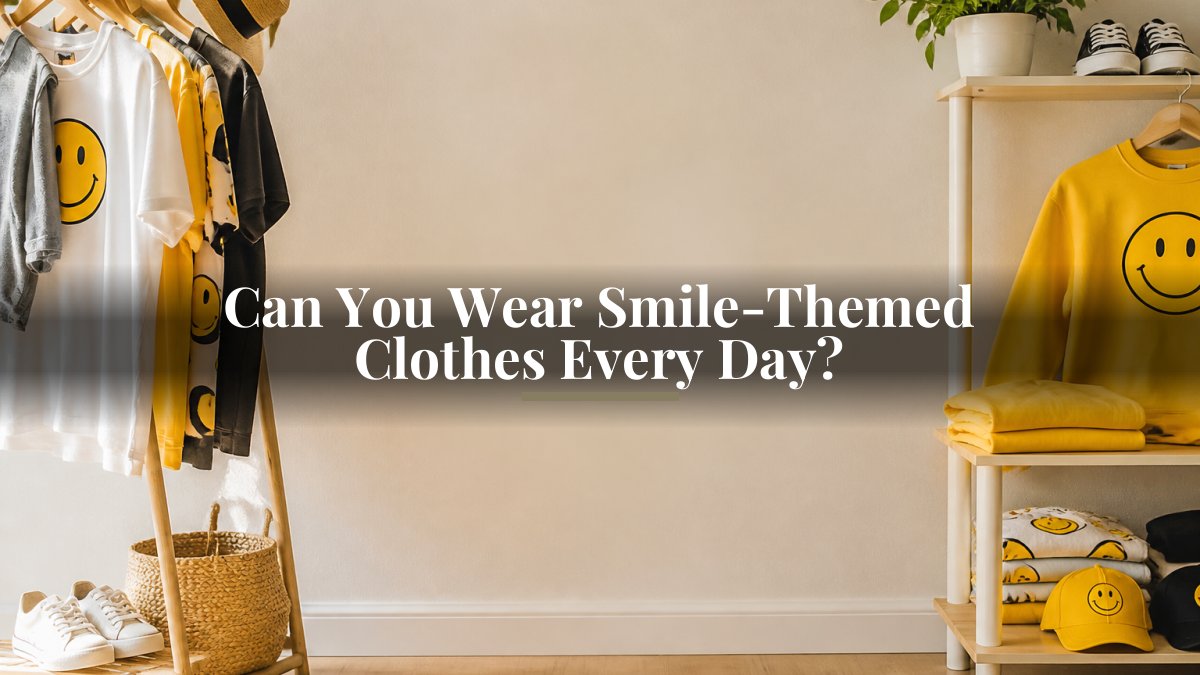
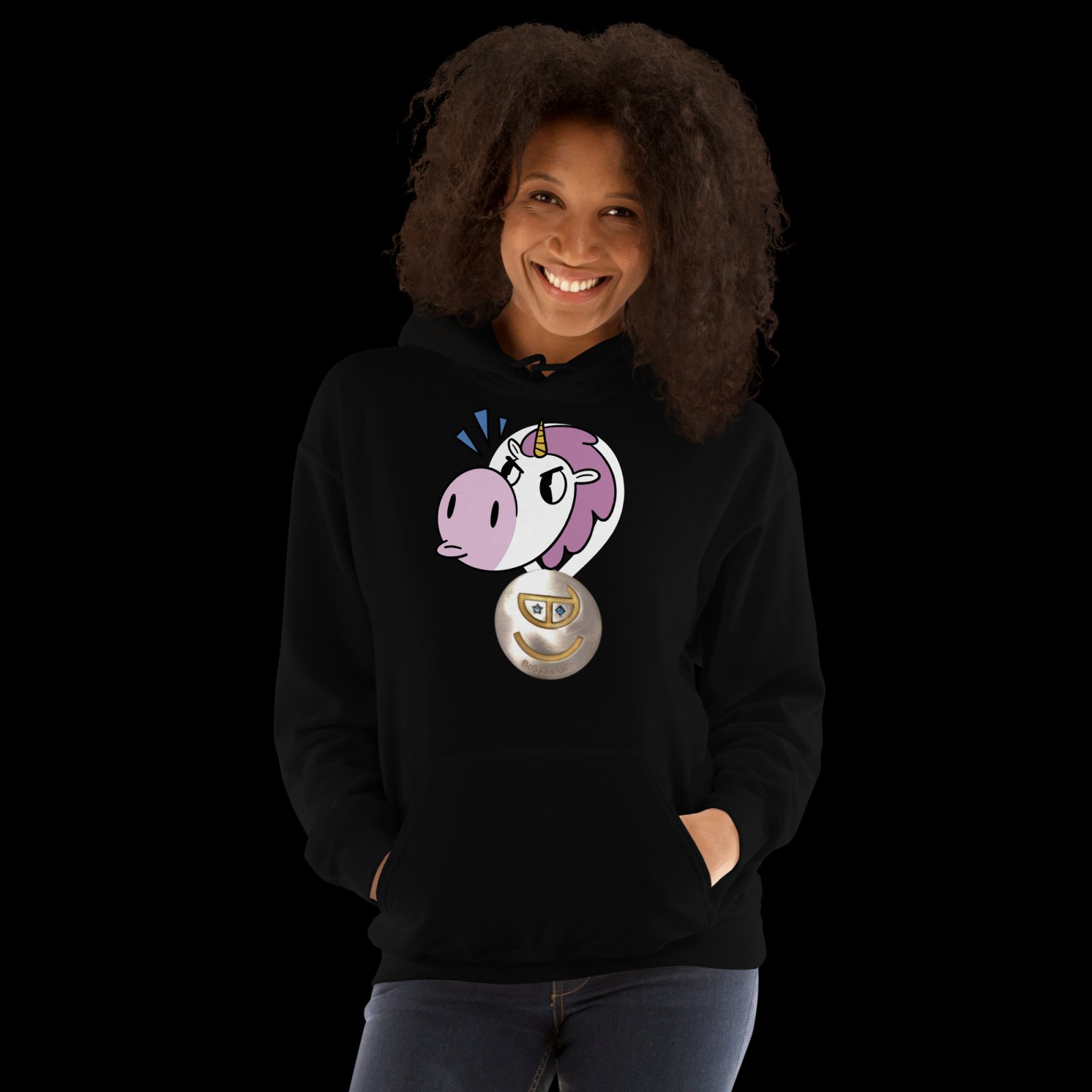
This is why brands like BoSsSwAmEe Design focus on smile-themed apparel and accessories. A piece that promotes mental awareness and kindness makes a statement about your values, affecting your mood and how others perceive you.
Research shows "enclothed cognition" is real: clothing influences your thinking and behavior.
Step 4: Choose Wardrobe Staples That Reflect Your Values
Staples are the foundation of a positive wardrobe. These are pieces you wear constantly, pieces that work across multiple outfits.
Invest in quality basics and versatile pieces
Basic staples include:
- Well-fitting jeans in your preferred wash
- Plain t-shirts in your power colors
- A neutral blazer that works for multiple occasions
These pieces should be high-quality, they last longer, fit better, and feel better against your skin, and you'll wear them hundreds of times.
Prioritize fit above all else: a perfectly fitting mid-range t-shirt beats an expensive shirt that doesn't fit.
Mix and match with outfit formulas
An outfit formula is a simple structure that helps you create multiple outfits from fewer pieces.
A basic formula might be: bottoms + top + layer + accessories.
For example:
- Jeans + white t-shirt + denim jacket + sneakers
- Jeans + white t-shirt + blazer + loafers
- Jeans + white t-shirt + cardigan + boots
The same three base pieces create three completely different outfits.
Identify three to four outfit formulas that work for your lifestyle. Write them down.
Building a Mindful Wardrobe Through Intentional Shopping
Most people shop reactively, they see something they like, buy it, and it sits unworn because it works with nothing else.
Intentional shopping is different. You shop with purpose, and with a plan, a budget, and a way to measure whether it's working.
Set a realistic clothing budget
A budget isn't about spending as little as possible. It's about directing your spending toward pieces that earn their place.
A practical approach:
- Set a monthly or quarterly cap you can actually afford, separate from other spending.
- Split it into two buckets: a replacement fund for worn-out essentials, and a growth fund for filling genuine gaps.
- Protect a small buffer for alterations, repairs, and the occasional piece you didn't plan for.
A common pattern is that people overspend on impulse buys and then can't afford the pieces they actually need.
Build a phased plan instead of overhauling at once
Most guides say "build gradually" but never say what gradual looks like. Here is a realistic timeline you can adapt:
- Weeks 1-2: Audit and track. Complete the closet audit and wear-tracking from Step 1. Don't buy anything yet.
- Weeks 3-4: Define style and palette. Complete the style audit and choose your base and accent colors. Write down three or four outfit formulas.
- Month 2: Fill the biggest gaps first. Identify the one or two pieces that unlock the most outfits. Buy only those.
This phased approach prevents the two most common failures: buying too much at once and buying nothing because the task feels overwhelming.
Create a shopping list based on wardrobe gaps
Before you buy anything, identify what's actually missing.
Look at your outfit formulas. What pieces would expand your options? Do you need another color in a basic?
Write a shopping list. Be specific.
This list keeps you focused. When you're browsing, you can quickly determine if something serves a real purpose or if it's just a nice-to-have.
Calculate cost per wear to prioritize investment pieces
Cost per wear is a simple calculation that helps you make smarter purchases.
Take the price of an item and divide it by how many times you'll wear it.
This changes how you think about price.
Use this calculation for bigger purchases.
Measure progress with simple wardrobe metrics
A positive wardrobe should get easier to use over time. Track a few simple numbers each season:
- Wears per item: How many times did you wear each piece in the last three months? Items worn zero times are candidates for repair, resale, or donation.
- Unused-item count: The number of pieces you didn't wear at all. A falling number is a sign your wardrobe is getting more intentional.
- Cost per wear: Recalculate for your most-worn and least-worn pieces. This tells you where your spending is actually going.
These metrics turn "I think my wardrobe is better" into something you can actually see.
Buy gradually rather than overhauling at once
A full overhaul is expensive, wasteful, and usually unsuccessful because you don't yet know what you'll wear. Buying one or two well-chosen pieces at a time lets you test each addition in real life, spreads the cost, and prevents regret purchases.
Shop with your values, not just your list
When you do buy, check fabric content, construction, and production practices. A piece that aligns with your values is one you'll wear with more intention, and one you're less likely to discard. This is central to how BoSsSwAmEe Design approaches fashion: creating pieces that feel good inside and out because they're made with values in mind.
Creating a Sustainable Wardrobe That Lasts
A positive wardrobe is sustainable. It doesn't mean buying less, it means buying smarter and keeping pieces longer.
Prioritize quality fabrics and ethical production
Quality fabrics last longer and feel better.
Ethical production matters too. When you know your clothes were made fairly and responsibly, you wear them with more intention.
Check fabric content before you buy. Read about production practices. Support brands that align with your ethics.
Care for, repair, and resell pieces responsibly
When something breaks, repair it. A loose button, a small tear, a worn hem, these are fixable.
When you're truly done with something, resell it. Online resale platforms make this easy.
Building a positive wardrobe takes time, but it's time well spent. Identify your personal style.
Frequently Asked Questions
What does it mean to have a positive wardrobe?
A positive wardrobe is one filled with clothes that make you feel good inside and out. It consists of pieces you love wearing, that fit your lifestyle, reflect your values, and support your mental wellbeing. Rather than chasing trends, a positive wardrobe prioritizes quality, intentional choices, and garments that genuinely boost your confidence and mood every time you put them on.
How can clothing affect your mood and confidence?
The clothes you wear directly influence how you feel about yourself. When you wear pieces that fit well, align with your personal style, and carry positive messages, you experience increased confidence and a lift in your mood. Wearing positive clothing that reflects your values and inner beliefs creates a powerful connection between your outer appearance and inner state, helping you show up more authentically in your daily life.
How can I build a sustainable wardrobe without starting over?
Start by assessing what you already own and keeping quality pieces that serve you well. When shopping for new items, prioritize sustainable practices by choosing ethical brands, investing in durable fabrics, and buying less but wearing more. Care for your existing garments through proper washing and repair, and consider reselling or donating items responsibly. Gradual, intentional additions replace your wardrobe over time without waste.
What is a realistic timeline for building a positive wardrobe?
Building a positive wardrobe is a gradual process, typically 6-12 months or longer depending on your starting point and budget. Begin with a closet audit and declutter phase (2-4 weeks), identify your personal style (2-4 weeks), then slowly add quality staples and pieces that fill gaps (ongoing). Focus on repeat wear and cost per wear rather than rapid purchases. This intentional pace ensures every piece genuinely serves you.