 ultimate-guide
Personalized Style Advice for Women: Find Your Look
Last Updated: November 4, 2026
Quick Summary
Personalized style advice for women starts in your own closet, not a shopping cart. Begin by auditing what you already wear on repeat, then use three to five honest adjectives and the comfort, context, and confidence filters to shape a look that fits your real life.
- Treat a style quiz result as a vocabulary suggestion, not a rulebook.
- If a piece fails two of the three C's, it usually stays in the closet.
- The 3-3-3 rule uses three tops, three bottoms, and three shoes to test versatility.
- Sort your wardrobe into keep, tailor, and donate piles, then photograph five to seven outfits.
- Check shoulder seam, waist position, and hem movement before buying any dress.
Table of Contents
- Why Personalized Style Advice for Women Starts With What You Own
- How to Find Your Style Quiz and What It Can Actually Tell You
- How to Describe My Personal Style in Words That Stick
- What Is the 3-3-3 Rule for Wardrobe and Does It Work
- Building a Wardrobe Audit and Outfit-Planning System
- Personalized Style Advice for Women Dresses and Fit Details
- Inclusive Style Advice Across Sizes, Heights, Ages, and Abilities
- Book a Personalized Style Session With BoSsSwAmEe Design
- Frequently Asked Questions
Why Personalized Style Advice for Women Starts With What You Own
Personalized style advice for women works best when it begins in your own closet, not in a shopping cart. A common mistake is treating a style refresh as a buying problem when it is really an editing problem. Before you add a single piece, look at what you already wear on repeat. Those pieces are telling you something.
Style advice that ignores your existing wardrobe tends to produce a closet full of "someday" pieces and nothing to wear on a Tuesday.
Below, we walk through a repeatable process for finding your look, from quizzes and vocabulary to audits and fit. The goal is simple: fewer clothes, more outfits you love, and a little more confidence each morning.
How to Find Your Style Quiz and What It Can Actually Tell You
A style quiz is a useful starting point, not a final answer. These quizzes ask about the colors, textures, and silhouettes you gravitate toward, then group you into a loose category. Treat the result as a vocabulary suggestion, not a rulebook.
What a quiz can do is give you words for instincts you already have. What it cannot do is account for your climate, your budget, your dress code, or the way a fabric feels against your skin. Those details come from you.
Take the quiz, note the language that resonates, and discard the rest.
How to Describe My Personal Style in Words That Stick
Describing your personal style in words that stick means choosing three to five adjectives you would honestly use about yourself, then testing them against what you actually wear. "Comfortable, warm, a little playful" is more useful than "boho-chic."
Vague labels borrowed from trend articles rarely survive contact with a real morning. Specific words do. When you can say "I like soft fabrics, relaxed shapes, and one bold accessory," shopping becomes faster and mistakes get rarer.
The Three C's of Personal Style
We group personal style into three practical filters:
- Comfort: Does this feel good for the length of time you will wear it?
- Context: Does it suit where you actually go, from work to weekends?
- Confidence: Does it make you stand a little taller when you catch your reflection?
If a piece fails two of the three, it usually stays in the closet. That single test saves more money than any sale ever will.
What Is the 3-3-3 Rule for Wardrobe and Does It Work
The 3-3-3 rule for wardrobe is a packing and outfit-planning shortcut: three tops, three bottoms, and three pairs of shoes, mixed to create multiple outfits from a small set. It works well as a training exercise in versatility, and it is a genuinely uplifting place to start because it proves how much you already own.
The point is not the exact number. The point is proving to yourself how many combinations a small, well-chosen set can produce. Once you see it, you stop believing you need a fuller closet.
The number alone is only a starting point. A version personalized to your real life, not a generic capsule, is more useful. Before you pick your nine pieces, run this four-filter check:
- Lifestyle: Count how many hours a week you spend at work, at home, running errands, and out socially. Your three tops should match that ratio, not a fantasy calendar.
- Climate: A humid summer and a snowy winter demand different fabrics and layers. Choose pieces that work in the season you are actually dressing for, and note which items you would need to swap when the weather turns.
- Budget: The rule is free. Treat it as a test of what you own, not a reason to buy. If a gap appears, add it to a running list and wait a week before purchasing.
- Dress code: If your workplace has a dress code, your three tops and three bottoms must clear it. A relaxed weekend set will not help you on a Tuesday morning.
Try it for one week. Pick your three best-fitting tops, three bottoms, and three shoes, then photograph each combination you wear. Most people find they land on a handful of favorites, which tells you exactly what to keep and what to let go.
Watch out: if you choose pieces that only work for one occasion, the exercise collapses into a packing list. Pick pieces that cross at least two contexts, work and weekend, or daytime and evening, so the combinations multiply.
When the week ends, review the photos with a kind eye. The outfits that made you smile are your signal. The ones you rushed through are information, not failure. That is the motivational core of the rule: you are not lacking clothes, you are learning which ones love you back.
Before you pick your nine pieces, run the rule through these four filters.
| Filter | What to check | Note |
|---|---|---|
| Lifestyle | Hours per week at work, home, errands, social | Match your tops to that ratio |
| Climate | Fabrics and layers for the season you dress for | Note items to swap when weather turns |
| Budget | Treat the rule as a test of what you own | Wait a week before purchasing a gap |
| Dress code | Three tops and three bottoms must clear it | A weekend set will not help on a Tuesday |
Building a Wardrobe Audit and Outfit-Planning System
A wardrobe audit is a structured pass through everything you own, sorting each piece into keep, tailor, and donate. Do it in one sitting if you can, in good light, with a notebook and a free afternoon.

Here is the system we recommend:
- Clear the bed and empty one category at a time. Start with tops, then bottoms, then dresses, then outerwear.
- Try each piece on. If you have not worn it in a year and it does not fit well today, it goes.
- Sort into three piles. Keep what fits and flatters, tailor what needs a small fix, donate the rest.
- Photograph your keepers as outfits. Build five to seven complete looks and save the photos.
- Plan the week. Choose outfits the night before and note any gaps on a running list.
That gap list is your only shopping list. For a step-by-step system, read How to Build a Positive Wardrobe. It keeps you from buying a fourth black top when what you actually need is a pair of shoes that work with everything.
Personalized Style Advice for Women Dresses and Fit Details
Personalized style advice for women dresses comes down to fit details, not body-shape labels. The waist seam, the shoulder line, and the hem length decide whether a dress works for you far more than the size on the tag.
Check three things before you buy:
- Shoulder seam: It should sit at the edge of your shoulder, not past it.
- Waist position: It should land where your body naturally narrows, or be adjustable.
- Hem and movement: Sit, walk, and reach. If the dress pulls or rides up, it will stay in the closet.
Tailoring is the quiet upgrade here. Taking in a waist or shortening a hem often costs less than a new dress and transforms how a piece feels. A garment that fits your proportions reads as intentional, and intentional is what confidence looks like from the outside.
Inclusive Style Advice Across Sizes, Heights, Ages, and Abilities
Good style advice has to work for real bodies and real lives. That means guidance that adapts to size, height, age, mobility, and how someone expresses themselves, rather than assuming one template.
Height and proportion. For shorter frames, proportion matters: a higher waistline and a shorter hem keep the silhouette balanced, and a monochrome column of color can add visual length.
Size and fit. Across sizes, the fit principles stay the same, though the specific garment details change.
Age and life stage. Age is not a rulebook either. The pieces that make you feel good at thirty usually still work at sixty, provided the fit is right.
Mobility and sensory needs. For anyone managing mobility or sensory needs, prioritize closures you can manage independently, magnetic snaps, front zippers, or pull-on waists, and soft seams that do not dig or scratch. Flat-lock seams, tagless labels, and breathable natural fibers reduce irritation.
Gender expression. Personal style is personal. If you prefer tailored menswear-inspired pieces, fluid silhouettes, or a mix of both, the same fit checks apply: shoulder seam, waist position, and hem movement.
A simple way to make this practical is to build a short list of your non-negotiables, the fit details, fabrics, and closures that reliably work for your body and your day. Keep that list on your phone.
Book a Personalized Style Session With BoSsSwAmEe Design
The fastest way to skip the guesswork is to talk to a real person about your wardrobe. Visit our About page to learn about the business and book an appointment. Learn how to get personalized style advice online. At BoSsSwAmEe Design,
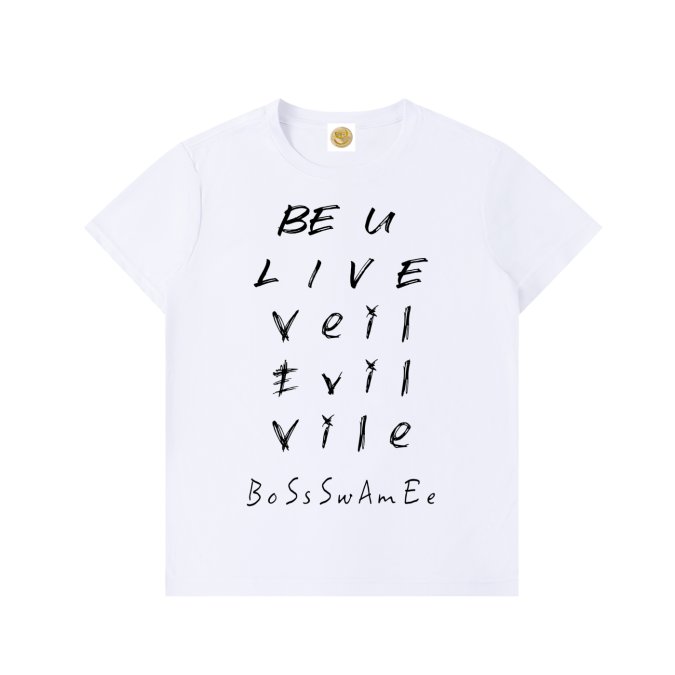
BoSsSwAmEe Design is a fashion brand established in 2005, dedicated to smile-inspired apparel and accessories with a focus on comfort.
Frequently Asked Questions
What are some good style advice for women who feel lost in their wardrobe?
Start with what you already own. Pull out the pieces you wear most and note what they have in common: fabric, color, cut, or fit. That pattern is your real style, not a trend. Then try a wardrobe audit, identify gaps, and shop only for pieces that work with at least three outfits you already have. Personalized style advice for women works best when it builds on your habits instead of replacing them.
What is the 3-3-3 rule for wardrobe?
The 3-3-3 rule is a simple outfit-planning guideline: three colors, three textures, and three layers or pieces per look. It keeps outfits cohesive without feeling flat. In practice, pick a base color, a secondary color, and an accent, then mix fabrics like cotton, denim, and knit. The rule is a starting point, not a strict law. If a fourth piece makes the outfit feel more like you, wear it.
How do I use a style quiz to find clothes I like?
Treat a style quiz as a conversation starter, not a verdict. Answer honestly about your daily life, climate, and dress code, then look at the results as vocabulary for describing your style. A quiz can point you toward a signature color or silhouette, but it cannot feel the fabric or check the fit. Use the results to guide a wardrobe audit, then try pieces on before committing.
How can I change my style as a woman without replacing everything?
Change one variable at a time. Swap your usual color for a nearby shade, try a new silhouette in a fabric you already trust, or add one accessory that shifts the mood of several outfits. Tailoring is the fastest upgrade: hemming trousers or taking in a waist can make old pieces feel new. Give each change a week of real wear before deciding whether to keep it.
What are the three C's of personal style?
The three C's are commonly described as color, cut, and confidence. Color is the palette that suits you and makes you feel energized. Cut is the fit and silhouette that work with your proportions. Confidence is the part no quiz can measure: the pieces you reach for without second-guessing. When all three line up, an outfit stops feeling like a costume and starts feeling like you.
Your closet is not a problem to solve with more shopping. It is a starting point, and the right guidance turns it into outfits that make you smile before you leave the house. Get started with BoSsSwAmEe Design and build a wardrobe that feels like you, one honest piece at a time.