 comparison
Is Mental Health Apparel Worth It? A Candid Look
Last Updated: October 28, 2026
Quick Summary
Mental health apparel is worth it as a wearable reminder and conversation starter, not as treatment or a guaranteed mood lift. Buy it when the garment itself justifies the price and the brand names a verifiable cause; skip it if you expect therapy or proven donations.
- A 2024 University of Delaware thesis found people used clothing to meet emotional and psychological needs.
- Psychologist Dr Audrey Tang said the clothing can open up a conversation.
- Happiness Project states 15% of profits go to mental health charities, without naming recipients.
- Polyester Zine reported one brand's hoodies cost $185, showing how far premiums stretch.
- Check for a named organization, a stated percentage, and fabric details before buying.
Table of Contents
- What Mental Health Apparel Actually Delivers (and What It Doesn't)
- How Clothing Affects Mental Health: The Psychology Behind What You Wear
- Mental Health Clothing Benefits: Comfort, Confidence, and Conversation
- Mental Health Awareness Apparel: What Your Money Actually Supports
- The Value-for-Money Question: Fabric, Fit, and Price Compared
- Potential Downsides and Ethical Concerns to Weigh Before You Buy
- How to Support Mental Health Beyond Your Wardrobe
- Choosing a Mental Health Apparel Brand That Matches Your Values
- Frequently Asked Questions
What Mental Health Apparel Actually Delivers (and What It Doesn't)
Mental health apparel is clothing printed with messages, symbols, or designs tied to mental wellbeing, and it works best as a conversation starter and a comfort purchase, not as treatment. BoSsSwAmEe Design was established in 2005.
Here is the honest answer to whether mental health apparel is worth it: it depends on what you expect from it. A 2024 University of Delaware thesis found that people used clothing to meet emotional and psychological needs and to cope with stressors, which supports the idea that what you wear can shape how you feel. But clothing is not treatment. A UK clothing guide reviewed in the research states plainly that clothing does not itself prevent suicide or improve mental health.
So the real question is narrower: is mental health apparel worth it as a wearable reminder and conversation opener? Often, yes. As a substitute for therapy, a verifiable donation, or a guaranteed mood lift? No, and any brand promising otherwise is overselling.
How Clothing Affects Mental Health: The Psychology Behind What You Wear
Clothing affects mental health through self-expression, self-concept, and social signaling, and the research backs this up at a modest, real-world level. A study of patient clothing reported that clothing with a healing design may alleviate stress and soothe negative emotions, and may play a role in recovery (Patient Clothing as a Healing Environment).
The mechanism is straightforward: what you wear is one of the few things you control every morning, and a message you chose yourself can reinforce an intention.
What most guides miss is the difference between passive and active messaging. A shirt that says something hopeful works as a private cue when you glance in the mirror; a shirt that invites conversation works socially. Those are two different products, and the second only pays off if you actually want to talk.
Mental Health Clothing Benefits: Comfort, Confidence, and Conversation
The core benefits of mental health clothing are comfort, confidence, and conversation, and the third is the one with the most evidence behind it. Psychologist Dr Audrey Tang told The Guardian that the clothing can open up a conversation, which is exactly the outcome the category is best at delivering.
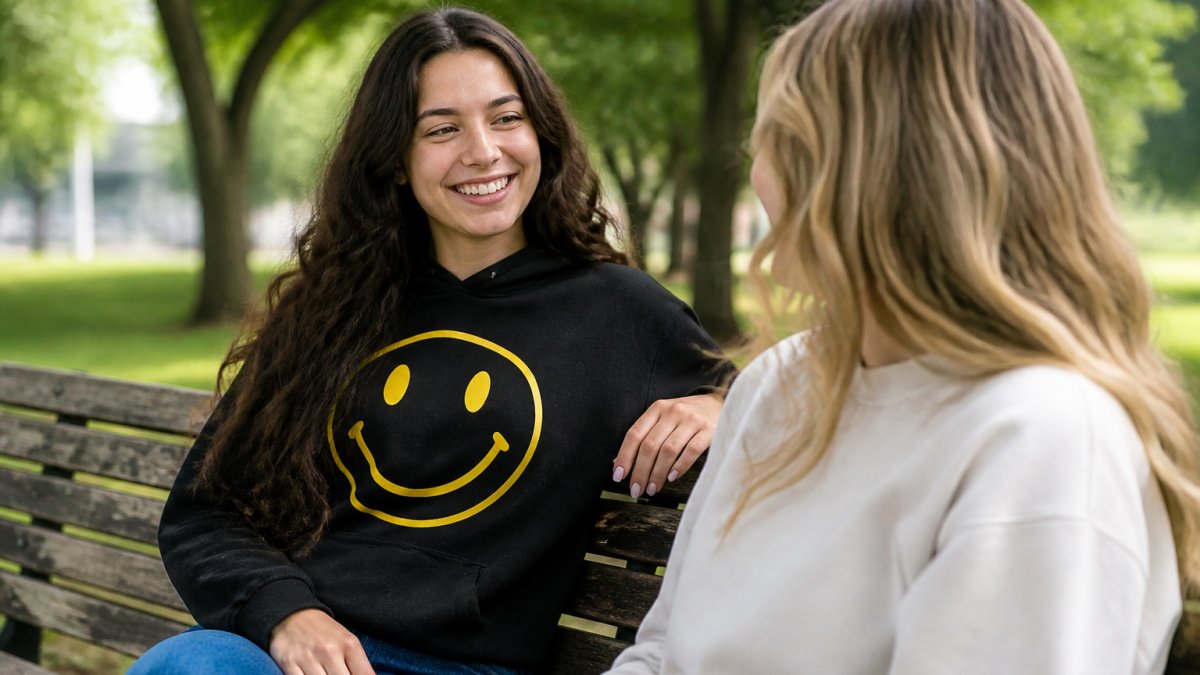
Comfort is the underrated benefit: if a garment feels good, you wear it more, and a message worn daily does more work than one that stays in the drawer. BoSsSwAmEe Design's designs focus on comfort.
Confidence is harder to measure but easy to notice. A design that reflects how you want to be seen removes a small friction from your day, and small frictions add up.
Conversation comes with a caveat: not everyone wants a stranger in a queue asking about their mental health. The Guardian framed the clothing as a subject of debate, and a Reddit commenter in the research initially objected before learning a hoodie was tied to charities.
Mental Health Awareness Apparel: What Your Money Actually Supports
Mental health awareness apparel supports two things at once: a garment you wear and, sometimes, a cause the brand claims to fund, and the gap between them is where buyers get burned. "Awareness" is not a regulated term; a brand can print a ribbon on a tee and call it advocacy without sending a penny anywhere.
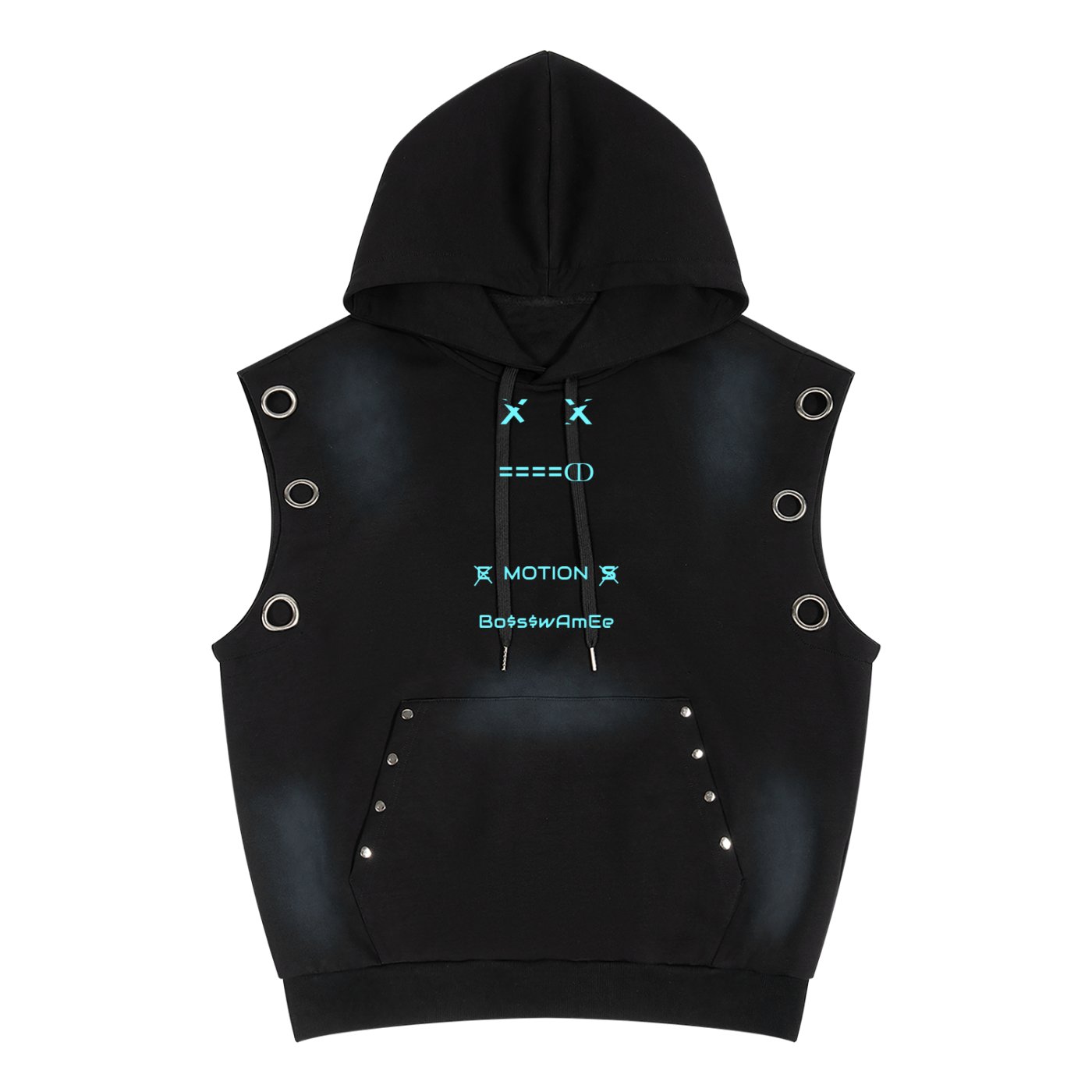
Some brands do publish specifics. You can see an actual mental awareness product and the story behind it in the Mighty Unicorn BoSsSwAmEe Pendant Hoodie. Happiness Project states that 15% of profits go to mental health charities, though the research does not identify the recipients or the calculation method. Self Care Shirts states that every order supports the 988 Lifeline and The Trevor Project, with a reported 4.94-star rating but no review count.
Watch out: if a brand cannot name the organization it supports or the share it gives, assume the "awareness" is the product and nothing else.
The Value-for-Money Question: Fabric, Fit, and Price Compared
Mental health apparel is worth its price when the garment itself justifies the cost, and poor value when you pay a premium for a slogan on thin fabric.
The comparison below reflects only what the supplied research documents; where it does not, we say so.
| Brand | Reported Price | Stated Cause Link | What the Research Does Not Show |
|---|---|---|---|
| EVRMORE | $45 for a cited T-shirt | Positioned in a mental health apparel comparison | Fabric, fit, or donation amount |
| Happiness Project | Not shown | 15% of profits to mental health charities | Recipient charities, calculation method |
| Self Care Shirts | Not shown | 988 Lifeline and The Trevor Project | Amount per order, review count |
| Stay Another Day | Not shown | 988 Lifeline printed on sleeve | Current prices, which products carry it |
| STAY | Not shown | "Keep On Trying" advocacy identity | Prices, garment details, verified impact |
The pattern is telling: almost nobody in this category publishes both a price and a verified donation figure on the same page. Here is how to close that gap.
Run the garment-first test. Ask what the same item would cost as a plain, unbranded piece of the same fabric and construction.
Check the fit and care reality. Look for a size chart with actual measurements, not just S-XL labels, and note the care instructions. A garment that survives a normal wash cycle is the one you will reach for on a hard morning.
Separate the message premium from the donation claim. These are two different purchases. The message is worth whatever it is worth to you personally. The donation is a claim you can verify: a named organization, a stated percentage or per-item amount, and ideally a public impact report.
For more on that trade-off, see our guide on whether mission-driven fashion is worth it.
Potential Downsides and Ethical Concerns to Weigh Before You Buy
The real downsides of mental health apparel are vague donation claims, premium pricing on ordinary garments, and the social risk of wearing a message some people find unwelcome. None are dealbreakers, but all are worth knowing before you spend. Start with donations: a brand that says it "supports mental health" has told you nothing verifiable. Look for a named organization, a stated percentage, and a report you can actually read.
Then there is pricing: the $185 hoodie shows the ceiling, not the norm, but illustrates how quickly "awareness" becomes a markup. Ask what the garment would cost without the message, if the answer is dramatically lower, you are buying a slogan.
If ethical sourcing is part of your decision, the wider landscape of ethical fashion brands supporting kindness is worth a look before you commit.
How to Support Mental Health Beyond Your Wardrobe
Supporting mental health beyond your wardrobe means comparing your options honestly: a garment, a direct donation, volunteered time, or a conversation. Each does something different, and honest brands admit their limits.
The research supports this framing. A UK clothing guide states directly that clothing is not treatment, a useful corrective to brands implying otherwise. The 2026 NAMI-Ipsos workplace mental health poll examined what support American employees actually want from their companies; the search result gives no numerical findings, but the direction is clear: support is structural and relational, not retail. If your goal is impact rather than a reminder, weigh these four paths:
Buying apparel. What you get: a wearable cue, a conversation opener, and sometimes a small donation. What it costs: full retail price, of which only a fraction, often a percentage of profits, not revenue, reaches a cause. Best when the daily reminder is the point.
Donating directly. What you get: the full amount goes to the organization you choose, usually with a receipt. What it costs: no garment, no visible signal.
Volunteering. What you get: time and skills directed at a cause, often with training and community. What it costs: hours, not dollars. Best when you want connection and can give time rather than money. Crisis lines, peer support groups, and local nonprofits routinely need volunteers.
Education and conversation. What you get: the thing apparel only gestures at, actual awareness. Learning to recognize warning signs and how to ask someone if they are okay does more than any slogan, and free resources from established mental health organizations cover it.
Practical steps that cost nothing:
- Name one person you can message on a hard day and actually message them.
- Protect sleep before you optimize anything else.
- Move your body daily, even briefly.
- Use crisis resources when you need them; the 988 Lifeline exists for exactly that.
- Wear the reminder if it helps, but do not confuse it with the work.
If you want a structured starting point, our guide on how to support mental health lays out daily habits that help.
Choosing a Mental Health Apparel Brand That Matches Your Values
Choosing a mental health apparel brand comes down to four checks: a named cause, a stated contribution, honest product details, and a design you will actually wear. Run every brand through those four and the field narrows fast.
Here is the checklist we would use:
- Does the brand name the organization it supports?
- Does it state a percentage or amount, not just "a portion"?
- Can you find fabric, fit, and care details before buying?
- Does the design match how you actually dress?
- Does the brand avoid implying its clothing is treatment?
- Are there real reviews you can read?
This is where we make our own case, carefully. BoSsSwAmEe Design was established in 2005 and offers smile-inspired apparel and accessories focused on comfort, with designs intended to help you feel good inside and out. We offer personalized style advice.
For a broader comparison before you decide, our guide to mental health awareness clothing brands covers the options side by side.
The challenge is simple: most mental health apparel asks you to pay a premium for a message and hope the rest works out. BoSsSwAmEe Design offers smile-themed apparel and accessories focused on comfort, personalized style advice, and uplifting designs intended to help you look and feel good inside and out. Get started with BoSsSwAmEe Design.
Frequently Asked Questions
What is mental health apparel?
Mental health apparel is clothing, such as T-shirts, hoodies, and caps, that carries messages or designs related to mental well-being, hope, or awareness. It can feature slogans, symbols, or references to support resources. BoSsSwAmEe Design offers smile-inspired apparel and accessories.
Can clothing affect your mood and confidence?
BoSsSwAmEe Design offers uplifting designs focused on comfort that are intended to help individuals feel good about themselves inside and out.
Does wearing mental health clothing help reduce stigma?
BoSsSwAmEe Design is dedicated to spreading peace, motivation, love, and joy through smile-inspired apparel and accessories.
Is mental health apparel worth the price?
Value depends on what you prioritize. BoSsSwAmEe Design offers uplifting, unique designs focused on comfort that are intended to help individuals look and feel good inside and out. Contact the brand for current product information.
How can I support mental health advocacy through fashion?
BoSsSwAmEe Design is dedicated to spreading peace, motivation, love, and joy through smile-inspired apparel and accessories. Contact the brand for more information.