 comparison
Is Mission-Driven Fashion Worth It? 2026 Guide
Last Updated: October 23, 2026
Table of Contents
- What Mission-Driven Fashion Actually Means
- The Real Cost of Sustainable Clothing
- How to Evaluate Ethical Clothing Brands
- Ethical Fashion Brands That Give Back
- Sustainable Fashion Brand Transparency: What to Verify
- The Trade-Offs: When Mission-Driven Fashion Falls Short
- Alternatives to Buying New: Secondhand and Circular Options
- Is It Worth It? The Verdict
- Frequently Asked Questions
What Mission-Driven Fashion Actually Means
The distinction matters because mission-driven fashion worth it depends on whether that mission translates into real impact. A stated purpose isn't automatically ethical, greenwashing and performative activism are common.
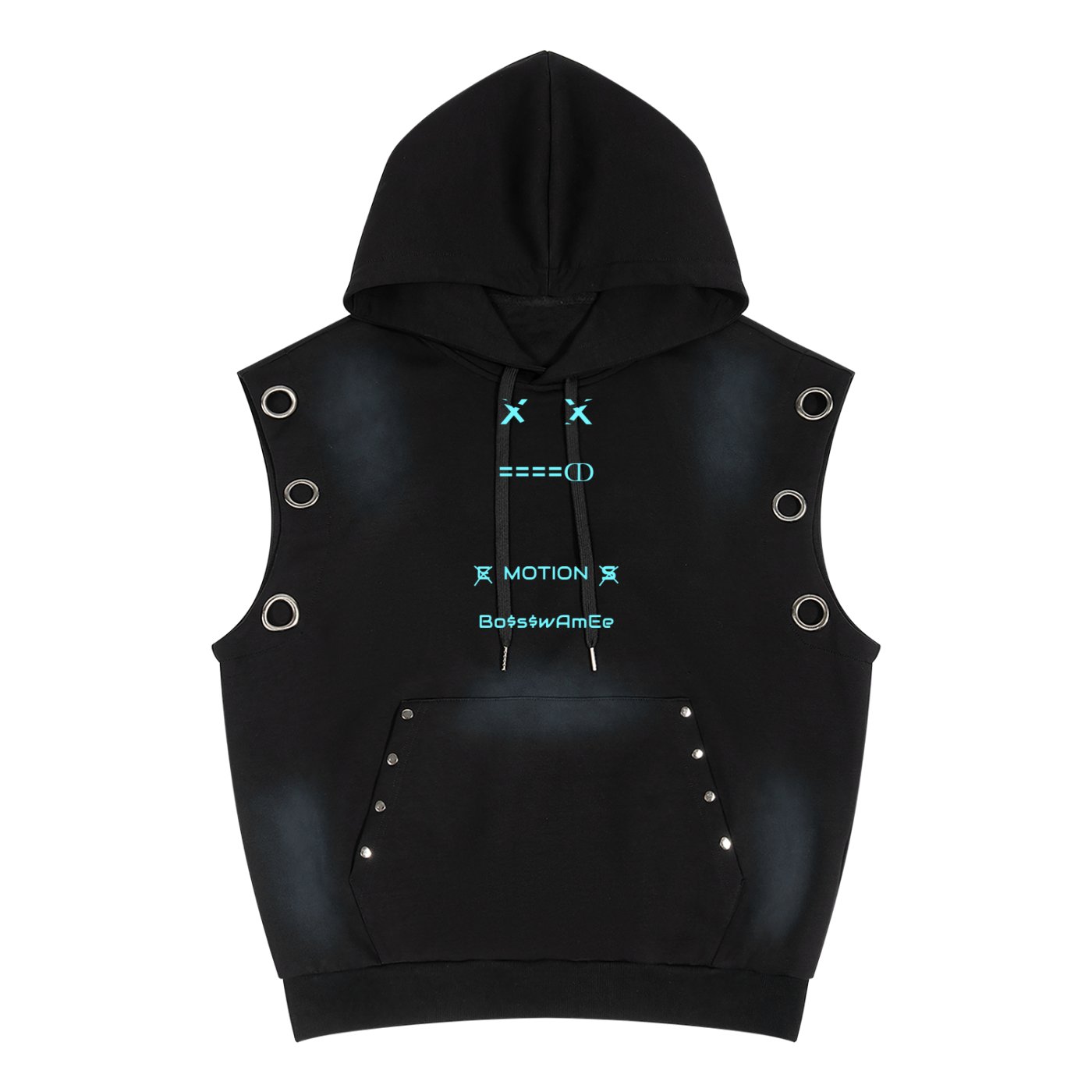
At BoSsSwAmEe Design, we understand this principle deeply. Since 2005, we've built our brand around spreading peace, motivation, love, and joy through smile-inspired apparel and accessories.
The global sustainable fashion market is projected to grow from $12.44 billion in 2026 to $27.96 billion by 2034, according to Fortune Business Insights' sustainable fashion market forecast.
The Real Cost of Sustainable Clothing
Mission-driven fashion typically costs more than fast fashion. That premium reflects real expenses: organic or recycled materials cost more than synthetics, fair wages exceed sweatshop labor, and supply-chain transparency requires infrastructure and auditing.
Fast fashion operates on razor-thin margins by cutting corners on labor, materials, and durability.
Cost per wear flips the equation. A $120 ethical sneaker worn 200 times costs $0.60 per wear; a $30 fast-fashion shoe worn 20 times costs $1.50 per wear.
The tradeoff is real: you'll spend more upfront. The question is whether the impact justifies that spend. Fast fashion accounts for 10% of global CO2 emissions, according to Earth.org's analysis of fast fashion environmental impact.
How to Evaluate Ethical Clothing Brands
Not every brand claiming a mission delivers one. Here's how to separate authentic mission-driven brands from those using mission as marketing.
Check supply-chain transparency. Authentic mission-driven brands publish factory locations, worker wages, and material sourcing.
Examine the impact claim. What exactly does the mission accomplish? "We donate 5% of profits to mental health awareness programs in underserved communities" is specific and measurable.
Review their accountability. Do they publish annual impact reports and third-party audits?
Test their responsiveness. Email the brand with questions about their mission, labor practices, or material sourcing. Authentic mission-driven brands welcome scrutiny and answer in detail because their practices hold up.
Verification Method | What to Look For | Red Flags |
|---|---|---|
Certification | Third-party seals (Fair Trade, GOTS, bluesign) | Generic "eco-friendly" claims without certification |
Supply Chain | Named factories, wage data, sourcing locations | "Ethical partners" with no specifics |
Impact Reports | Annual reports with measurable outcomes | Vague mission statements without data |
Transparency | Easy-to-find documentation and audit results | Information buried or absent from website |
Responsiveness | Detailed answers to direct questions | Slow responses or deflection |
Ethical Fashion Brands That Give Back
The following brands demonstrate how mission-driven fashion operates at different price points and with different approaches. Each has built verifiable impact into their business model.
Patagonia: Environmental Activism and Durability
Patagonia treats durability as activism. The longer a garment lasts, the fewer resources get consumed replacing it. Their Ironclad Guarantee allows repairs and replacements indefinitely, shifting incentives away from disposability.
The brand uses recycled materials and organic cotton throughout their line and commits 1% of all sales to environmental nonprofits through 1% for the Planet, a structural commitment built into their profit model.

The tradeoff is higher upfront cost; the payoff is products that last decades, transparent environmental impact, and resale value that recovers much of your investment.
Pact: Affordable Ethical Basics
Pact makes ethical fashion accessible. Their organic cotton t-shirts and underwear start at $25, undercutting luxury sustainable brands while maintaining Fair Trade Certified factory partnerships and GOTS-certified materials.
The brand offers carbon-offset shipping and transparent supply-chain documentation. For someone building an ethical wardrobe on a real budget, Pact closes the gap between fast fashion and luxury sustainable brands.
The limitation: their range skews toward basics. You won't find formal wear or trendy pieces. For everyday essentials, though, Pact delivers mission-driven fashion without the premium markup.
Eileen Fisher: Circular Fashion Investment
Eileen Fisher pioneered circular fashion through their Renew program, which resells pre-owned items and buys back garments customers no longer wear, keeping clothing in circulation rather than landfills.
The brand uses bluesign-certified dyes and timeless design principles, so your $80+ investment doesn't become obsolete in a season. Strong resale value through Renew means you can recover 40-60% of your purchase price when you move on.
Veja: Transparent Direct-Trade Sourcing
Veja disrupted sneaker manufacturing by sourcing rubber and organic cotton directly from producers rather than middlemen. This direct-trade model means producers capture more value and Veja maintains radical transparency about production costs.
Sneakers start at $120, and Veja publishes exactly how much farmers and producers earn, eliminating guesswork about fair compensation. The brand also innovates with bio-based materials, reducing reliance on petrochemicals.
Reformation: Trendy and Carbon-Neutral
Reformation proves mission-driven fashion doesn't mean sacrificing style, combining current trends with sustainable manufacturing, deadstock fabrics, and carbon-neutral operations.
Their RefScale tool lets you track the environmental footprint of individual garments, water use, carbon emissions, waste. Starting at $50, Reformation makes trend-conscious shopping feel less guilt-inducing because you can see the actual impact of your purchase.
Sustainable Fashion Brand Transparency: What to Verify
Transparency is the foundation of trust in mission-driven fashion. Before committing to a brand, verify these specific claims.
Material sourcing: Where do raw materials come from? Are they organic, recycled, or responsibly harvested?
Labor practices: What are worker wages compared to local living costs? Are factories independently audited? Brands serious about fair labor publish this data.
Charitable giving: If the brand donates to causes, how much and to which organizations? "We give back" is meaningless.
Environmental impact: Do they measure and publish carbon emissions, water use, or waste reduction? Vague claims like "eco-friendly" mean nothing.
According to researchers studying sustainable fashion supply chains, identifying sustainable-fashion keywords affecting the supply chain requires analyzing material practices and transparency claims.
The Trade-Offs: When Mission-Driven Fashion Falls Short
Mission-driven fashion isn't a perfect solution. Understanding the limitations helps you make informed choices.
Price remains a barrier. Even affordable mission-driven brands cost more than fast fashion.
Mission doesn't guarantee quality. A brand with a stated purpose might still produce poorly-made garments. Mission and craftsmanship are separate attributes.
Greenwashing is rampant. Many brands use environmental or social language without backing it up. "Eco-friendly" and "sustainable" are unregulated terms.
Limited selection. Mission-driven brands often have smaller inventories than fast-fashion retailers. You might not find your size, preferred color, or style. This friction is real.
Resale value is unpredictable. While some mission-driven brands hold value well, others don't. Assuming you'll recover costs through resale is risky.
Alternatives to Buying New: Secondhand and Circular Options
The most sustainable fashion purchase is the one you don't make. Before buying new, even from a mission-driven brand, consider secondhand and circular options.
Secondhand shopping extends the life of existing garments, reducing demand for new production.
Rental services let you wear pieces without owning them. This works for occasion wear or trend pieces you'll wear a few times.
Clothing swaps with friends or community groups let you refresh your wardrobe without purchasing anything. You trade pieces you've outgrown for items others no longer wear.
Circular fashion programs offered by some mission-driven brands let you return worn garments for credit toward new purchases or resale. Patagonia's repair guarantee and Eileen Fisher's Renew program are examples.
The hierarchy of sustainability, from best to least impactful:
- Wear what you already own longer
- Buy secondhand
- Rent or swap
- Buy new from mission-driven brands
- Buy new from conventional brands
Is It Worth It? The Verdict
Whether mission-driven fashion worth it depends on buying for the right reasons and verifying claims.
The real answer is nuanced. Mission-driven fashion creates measurable environmental and social benefits when brands operate with genuine transparency and you commit to wearing pieces longer.
But mission-driven fashion alone won't solve fashion's environmental crisis. The industry's growth trajectory, even with sustainable options expanding, still contributes to resource depletion and waste.
Your most impactful choice might be wearing what you own longer, buying secondhand when you need something new, and choosing mission-driven brands only when you're genuinely committed to the purchase.
At BoSsSwAmEe Design, we believe fashion should make you feel good inside and out.
Frequently Asked Questions
Is mission-driven fashion worth the extra cost?
It depends on your priorities and budget. Mission-driven fashion typically costs 30-60% more than fast fashion due to ethical labor practices, sustainable materials, and supply-chain transparency. The value emerges through durability (higher cost per wear over time), verified social impact, and alignment with your values. Brands like Patagonia offer repair services that extend garment life, offsetting premium pricing. For budget-conscious shoppers, Pact offers ethical basics at more accessible price points. The real question isn't whether to buy mission-driven fashion, but whether you can afford not to factor durability and impact into your cost-per-wear calculation.
How can you tell whether a fashion brand's mission is genuine?
Look for third-party certification (Fair Trade, GOTS, bluesign), published supply-chain transparency reports, and independent audits. Genuine mission-driven brands disclose factory locations, worker wages, and environmental metrics. Verify claims through their website or contact them directly for documentation. Brands like Veja publish transparent pricing models showing material costs and labor. Red flags include vague language ('eco-friendly' without specifics), no third-party verification, or refusal to share production details. Check if the brand donates to verifiable organizations and measure their impact claims against independent data rather than marketing claims alone.
What is the difference between ethical, sustainable, and mission-driven fashion?
Ethical fashion focuses on fair labor practices, worker rights, and sweatshop-free production. Sustainable fashion prioritizes environmental impact: recycled materials, water conservation, carbon emissions reduction, and circular design. Mission-driven fashion combines both while adding a social purpose, such as mental health advocacy or community giving. A brand can be ethical but not sustainable (fair wages, high waste); sustainable but not ethical (low-impact materials, exploitative labor); or mission-driven and encompass all three. Understanding these distinctions helps you evaluate whether a brand aligns with your specific values.
Do mission-driven fashion brands make a measurable difference?
Some do, but measurement varies widely. The sustainable fashion market is projected to grow from $12.44 billion in 2026 to $27.96 billion by 2034, signaling real demand shift. Brands like Patagonia commit 1% of profits to environmental causes and publish annual impact reports. However, individual brand impact depends on scale and accountability. Ask for specific metrics: how many workers benefited, how much water was saved, how much was donated. Many mission-driven brands lack independent verification of their claims. The fashion industry accounts for 10% of global CO2 emissions, so even small shifts matter—but verify claims rather than assume all mission-driven brands deliver proportional impact.
Is buying from a brand that gives back better than donating directly?
Both have merit, but they serve different purposes. Buying from mission-driven brands embeds impact into your consumption: you get a product you need while supporting fair labor and environmental practices. Direct donation bypasses corporate overhead and reaches causes immediately. The trade-off is transparency—mission-driven brands must prove their giving, while direct donations let you control where money goes. For maximum impact, combine both: buy durable mission-driven pieces (reducing overall consumption) and donate separately to causes aligned with your values. Mission-driven fashion works best when you genuinely need the garment; buying unnecessary items 'for the cause' defeats the purpose.